



Behind the Badge | Mark Rosewell
By: Greg Rush
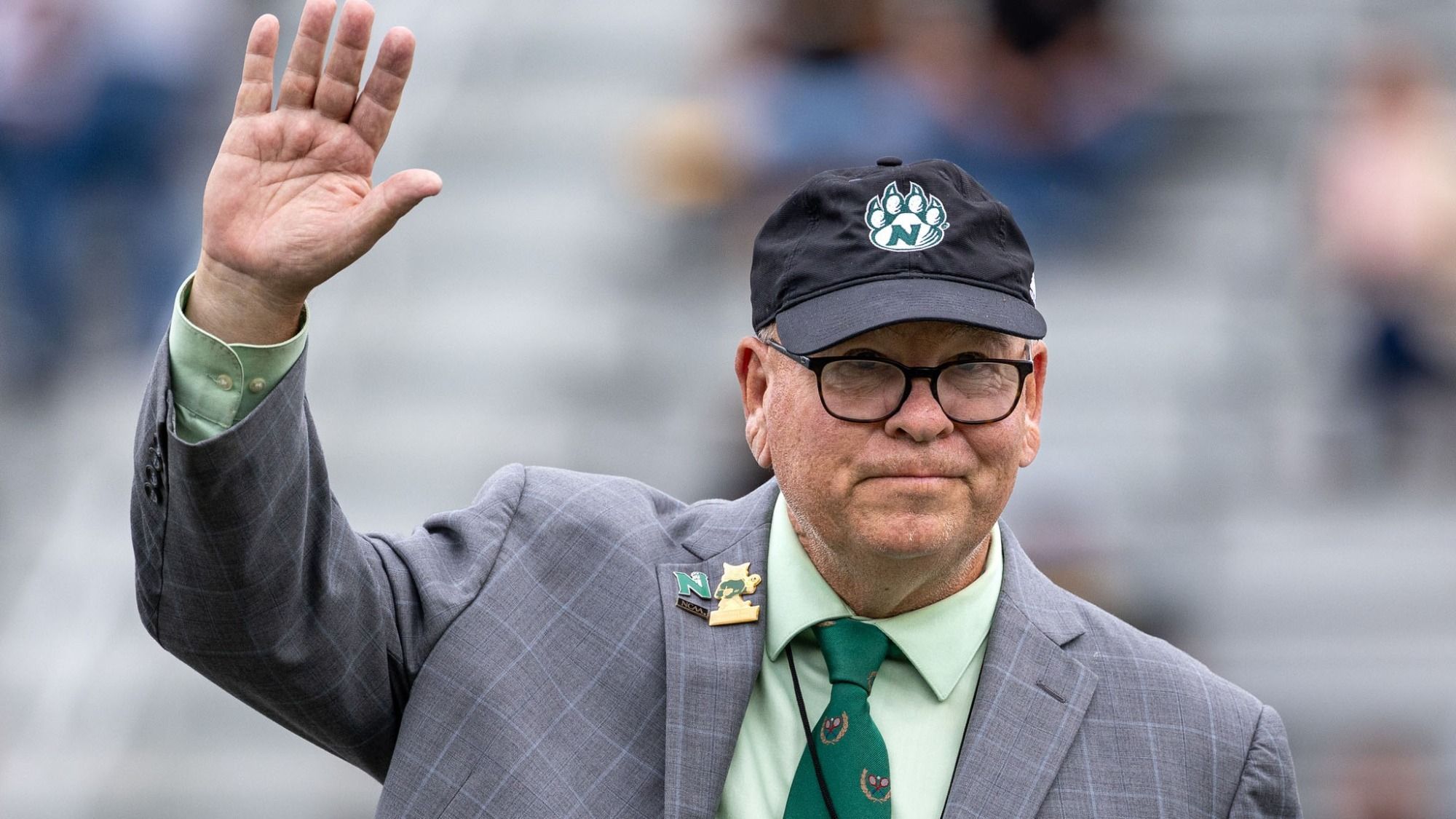
Mark Rosewell (Epsilon Phi/Central Missouri 1977) has spent much of his life proving that success isn’t accidental; it’s built through consistency, relationships, and the willingness to evolve. Recently inducted into the Missouri Sports Hall of Fame, Rosewell reflects on 45 years in coaching, the lessons he learned as a student-athlete, and the leadership principles that have shaped generations of competitors. In this Behind the Badge Q&A, he shares what attracted him to Theta Chi, what has changed in athletics over the decades, and why mentorship and community remain at the heart of everything he does.
Q: How did you end up committing to Central Missouri?
A: I went to Central Missouri to play tennis, and it was close to my hometown of Lexington, MO. A lot of my teachers had gone there, so I was familiar with the school and felt comfortable choosing it.
Q: You joined in the 1970s. What was attractive about a Greek letter experience back then? What made the Theta Chi’s stand out? Do you keep up with your chapter brothers?
A: Back then, it was just the status quo. It seemed like [joining a fraternity] was the best opportunity to get to know people. I was rushed by several fraternities, but Theta Chi stood out because the brothers felt real. It didn’t feel like a performance—they seemed like genuinely good people, and that’s what made my decision. I still feel like I made the best choice. And yes, I keep up with my brothers. We actually had a New Year’s Day get-together, and I saw many of my pledge brothers. It really is a fraternity for life, as they tell you.
Q: What did you learn in Theta Chi about discipline, teamwork, and leadership that you still use today?
A: It taught me a lot. I came from a small town, and I was probably a little socially delayed at first. Being in the Fraternity helped me grow in leadership, discipline, and organization. I also served as the Chapter Adviser while I was in graduate school, and that experience helped me develop into a better leader.
Q: Some people live for the limelight, so they’d rather play than coach. What originally drew you to coaching as a career? Was there a moment early on when you realized coaching was right for you?
A: I’ve always been drawn to athletics—I played just about every sport at one point or another. In tennis, I was good enough to make varsity, but I wasn’t an elite player. Coaching became the way I could keep growing in the sport. Learning how to recruit, build a team, and lead athletes didn’t happen overnight; it was a process that took time for me to figure out and get comfortable with.
Q: How long have you been in the world of coaching? What’s the biggest difference between coaching athletes in the 1980s and coaching athletes today?
A: This is my 45th year coaching. Athletes have changed, but so has the world. At the end of the day, they’re still athletes who want to play and excel—you just have to adjust how you motivate them. Early on, you could sometimes get away with the rah-rah, football-style mentality. That doesn’t work the same way now. I think being honest, setting achievable goals for both the team and the individual, and helping them see progress, is what really motivates them today.
Q: Your win total is historic and victories don’t happen by accident. What are the non-negotiables in your program (e.g., habits, culture, expectations) that have stayed consistent through every era?
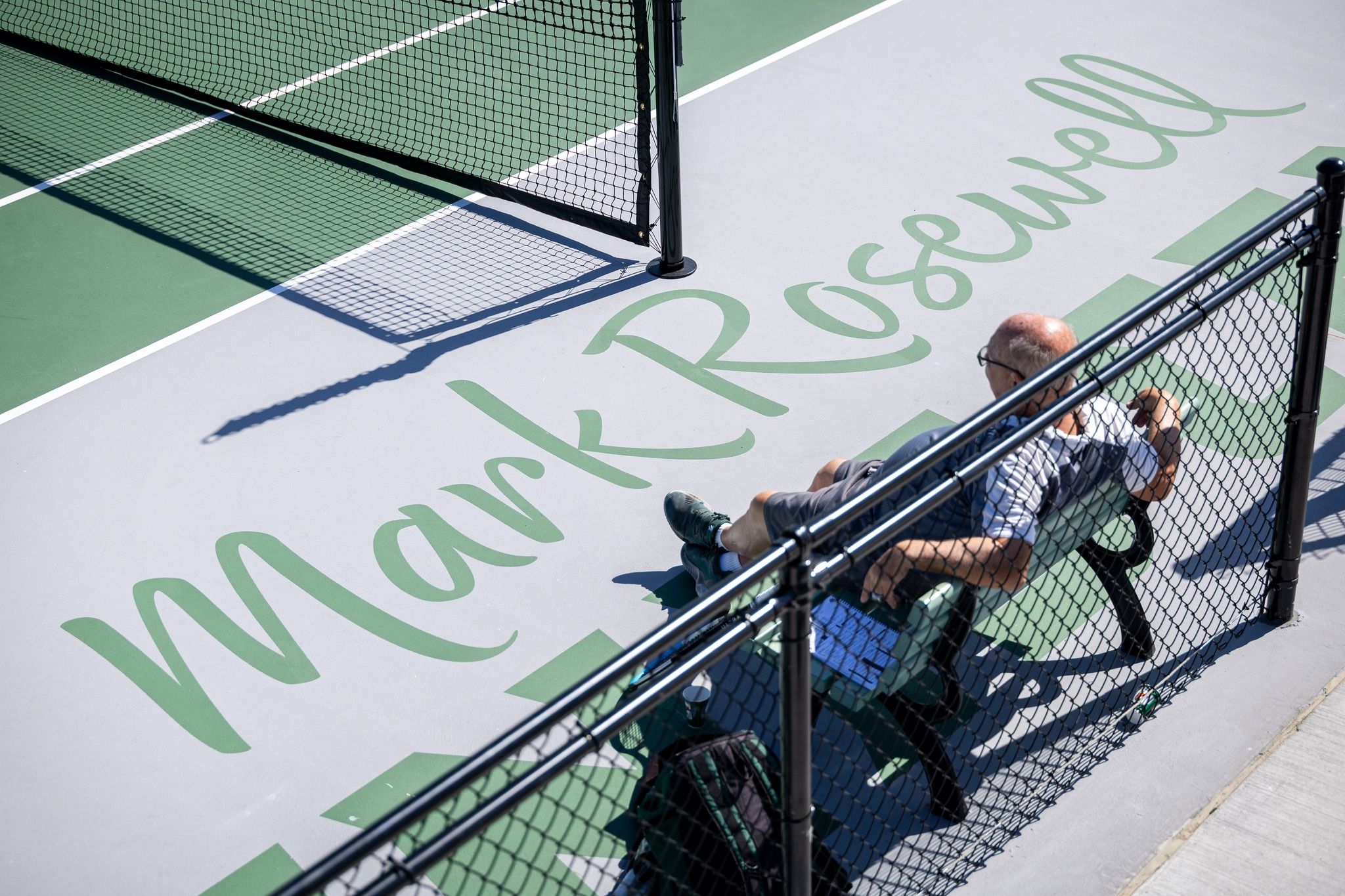
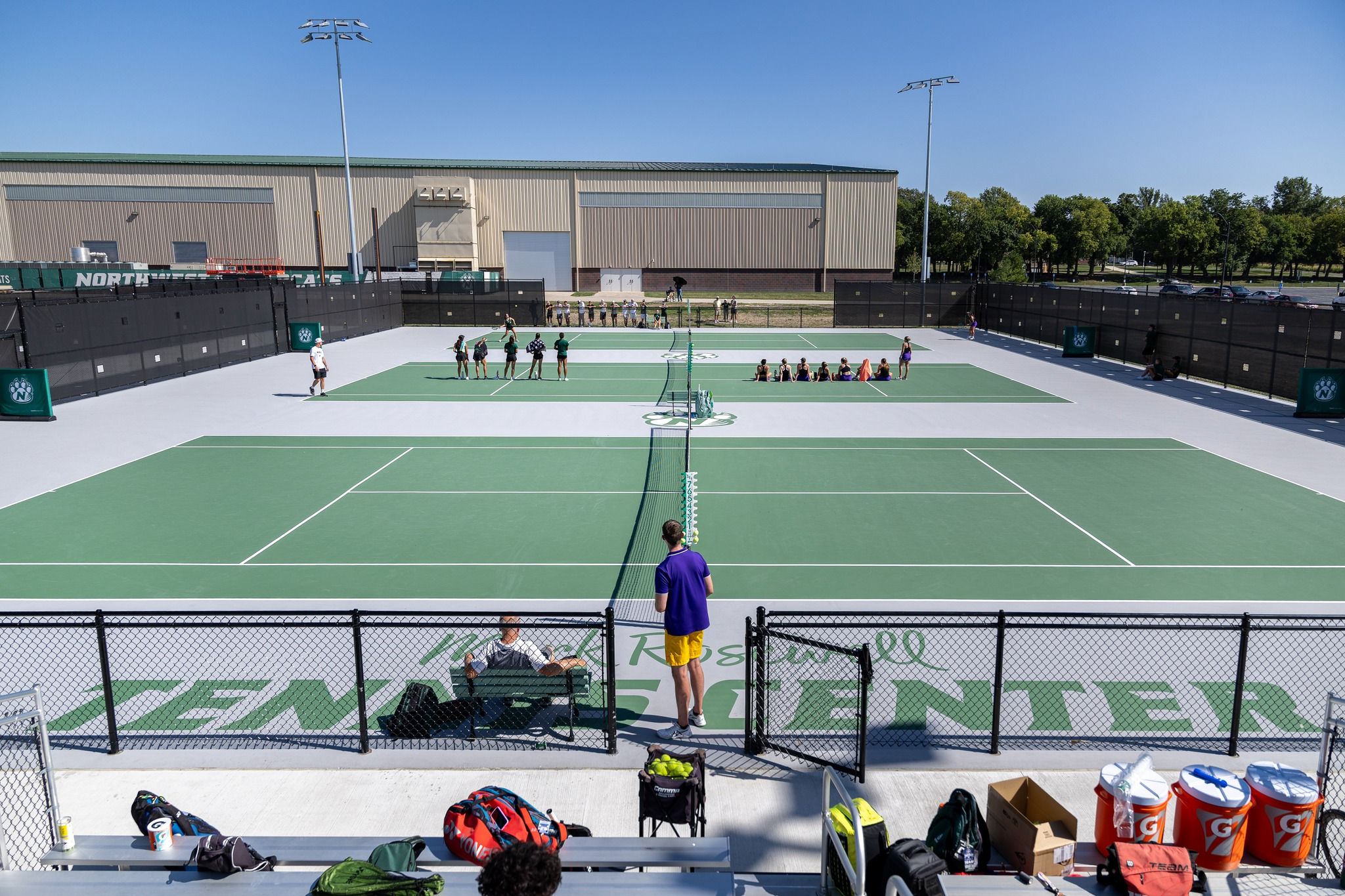
A: Well, to be frank, we’ve just had good players. You have to recruit talent—there’s no substitute for that. Then you have to build a schedule that challenges them and helps them compete at their highest level. Beyond that, I try to be consistent, but you also must stay flexible. What worked four years ago might not work today, so you must be willing to adjust and pivot.
Q: What’s a coaching lesson you learned the hard way—something you’d tell a younger coach (or a younger version of yourself) to understand sooner?
A: Learn how to get along with people. Being able to communicate. People don’t understand how important that is across all industries, and that should be your first lesson if you want to get ahead.
Q: With so many conference titles and postseason trips, is there a season or team that stands out as the most meaningful—and why?
A: I wouldn’t point to just one team, but we had three women’s teams (1997, 2003, 2019) and three men’s teams (2014, 2016, 2021) reach the quarterfinals of a national tournament, and that’s a big deal for a Midwestern school. A lot of the programs you see deep in those tournaments are from the south, so those accomplishments mean a lot to me.
Q: What roles do mentorship and relationships play in your coaching philosophy—especially for student-athletes trying to maintain a balance between their academics, athletics, and life?
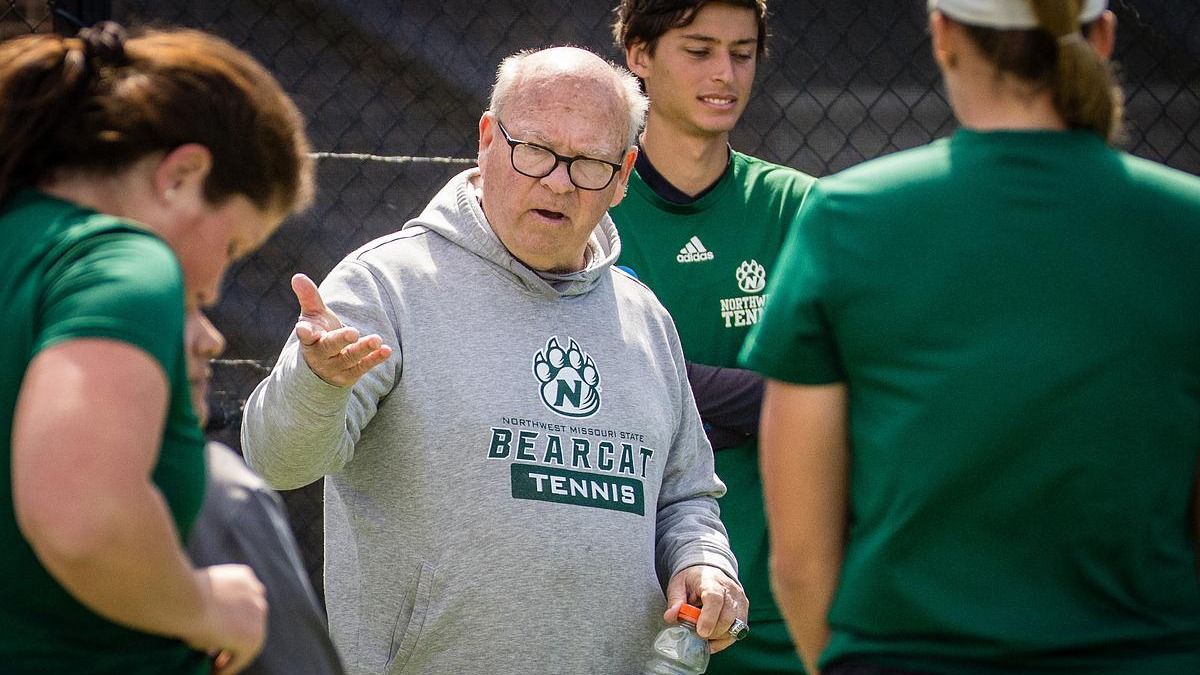
A: Mentorship is a big part of what I do. We have tennis camps in the summer where we get to know each other one-on-one, and those relationships matter. I also think it’s important when alumni come back and talk with the teams about their experiences. Ultimately, we want these students to have the best experience possible—mentorship and relationship-building help them succeed, just like it does in the Fraternity.
Q: Theta Chi instills leadership, service, and a desire to improve the community. How has your fraternity experience shaped the way you lead and mentor others?
A: I follow the pattern that I learned from the Fraternity still to this day. The goal I find myself chasing is trying to help others and do everything I can to create a community that relies on one another, that eventually becomes a family.
Q: Being inducted into the Missouri Sports Hall of Fame is a major honor. What did that recognition mean to you, and who are the people you feel most grateful for along the way?
A: I’m a member of several halls of fame, but the Missouri Sports Hall of Fame means the most in this area, so it’s a tremendous honor. I’m grateful for my colleagues and the athletes I’ve coached, but I also think back to my own coaches and mentors—the people who believed in me when I was 14 and helped elevate me into who I am today.
From recruiting and culture-building to communication and trust, Brother Rosewell underlines a simple truth: programs may not last forever—but people do. Whether he’s motivating today’s athletes, leaning on the fraternity experience that helped him grow beyond his small-town start, or expressing gratitude for the coaches who believed in him early, Mark’s story is a reminder that it is not what you gather, but what you scatter, that makes a difference in the life you have lived.