



Behind the Badge | Mick Tobin
By: Greg Rush
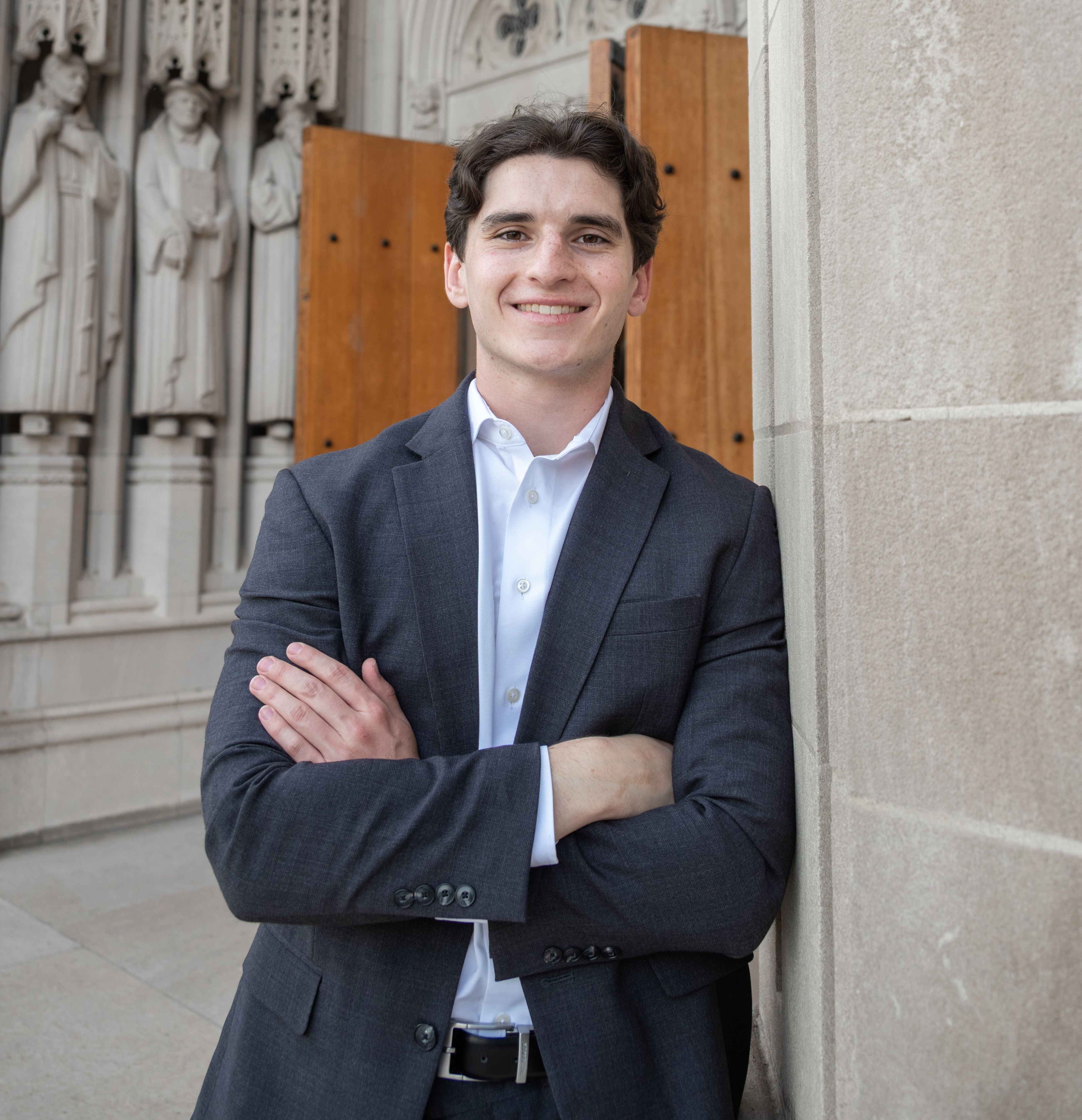
Mick Tobin (Gamma Sigma/Durham, NC 2025) doesn’t view civic engagement as an abstract virtue; he views it as a practical skill to learn, practice, and use. A North Carolina native and Rechartering Member of Gamma Sigma Chapter in Durham, NC, Tobin has spent the last several years building the Young People’s Alliance (YPA), a student-led organization focused on helping young people show up in the political process in meaningful, nonpartisan ways. In this exclusive Behind the Badge Q&A, he shares what pushed him from curiosity to action, what it takes to scale a campus movement without losing integrity, his Theta Chi experience, and lessons in leadership.
Q: Where are you from originally, and why did you choose to go to Duke?
A: I’m originally from Mooresville, NC, about 30 minutes north of Charlotte. During the spring of 2020, I got interested in Duke because their extracurriculars emphasized innovation and community impact. I also liked the idea of staying in North Carolina.
Q: What attracted you to the idea of starting your own chapter? And why Theta Chi?
A: Starting a chapter was a chance to build something meaningful from the ground up and help shape the culture and values of a brotherhood. Theta Chi stood out because its ideals felt authentic: leadership, friendship, and personal development. Its mission of building men who want to improve themselves and make a positive impact resonated with me. I’m proud to have helped build a community that will support young men long after I’m gone.
Q: What did you learn during your time as Chapter Secretary?
A: I learned how important communication and organization are—keeping people aligned, following through, and making sure ideas don’t get lost between meetings. I also learned how much the behind-the-scenes work matters: documentation, systems, and consistency create trust and momentum.
Q: What is an ideal of Theta Chi that means the most to you?
A: True Friendship. My brotherhood at Duke showed me what real friendship looks like: showing up for people, building trust, and maintaining relationships. That’s shaped how I approach my work with Young People’s Alliance (YPA), where community and relationships are everything. It’s a reminder that success is rarely a solo effort.
Q: What’s a leadership lesson you learned the hard way in the last 12 months?
A: You have to keep earning leadership. People follow you because of what you do consistently, not your title. I learned that delegation matters, but it can’t become an excuse to step back from accountability. I also learned the fastest way a leader can lose trust is by giving instructions too often without describing the "why" or consistently executing the work themselves. If you want others to care about details, you have to model it. Stay close to the work and follow through.
Q: Take us back to the beginning: what problem were you and your business partner trying to solve when you started Young People’s Alliance, and when did you know that you were making a real impact?
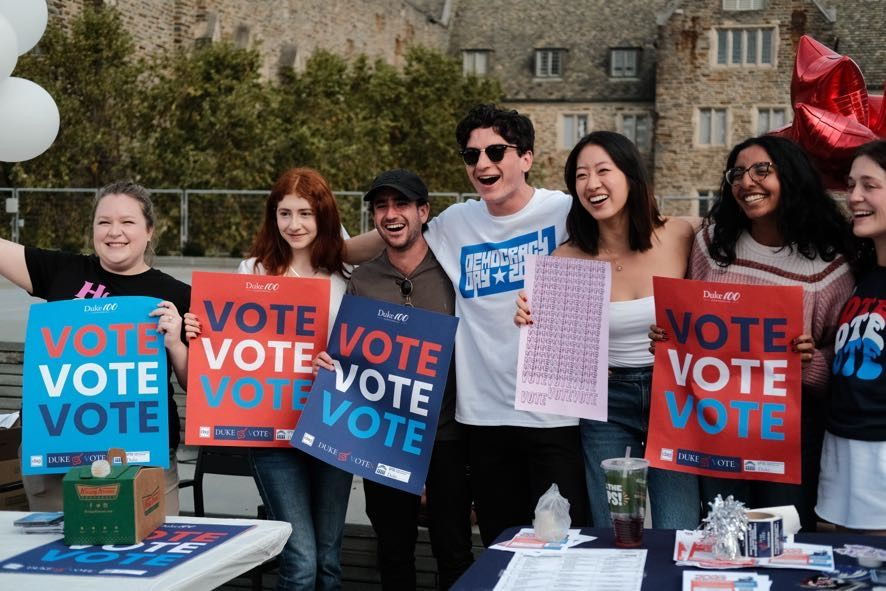
A: My business partner Sam and I started YPA in high school after seeing a North Carolina governor’s powers limited by the legislature before the governor took office. It felt like an unfair workaround of what voters had chosen. We drafted a nonpartisan bill to moderate that practice, met with dozens of legislators over Zoom during the pandemic, and worked with a legislator to introduce it. It didn’t make it out of committee, but I loved the process.
As we kept advocating—on issues like ending child marriage and improving teen road safety—we saw how often policy affecting young people was being made with little input from young people. We were also dismissed at times for being “too young.” That gap can push young people to disengage, which is a real risk for our democracy. We built YPA to give young people a voice regardless of political affiliation and to help them lead change in their communities.
In five and a half years, we’ve helped write and advocate for legislation introduced in the U.S. Senate (Kids Online Safety Act), recruited more than 1,800 members across 70 college campuses, and hosted dozens of listening sessions. By summer 2024, Sam and I were in the U.S. Capitol meeting with legislators about AI chatbot safety when we got an email saying we’d raised $300,000 from a funder.
Q: YPA exists to organize students to call elected officials. What made you choose phone calls over social media?
A: Phone calls create a real human connection. Students can speak with legislative staff, ask questions, and build relationships. Calls are also harder to ignore than posts or emails. Steady calls signal urgency and create accountability. We see calling as a simple, effective way to turn interest into real civic participation.
Q: You’ve reached 55 campuses across seven states. Tell us more about your playbook for scaling without losing quality.
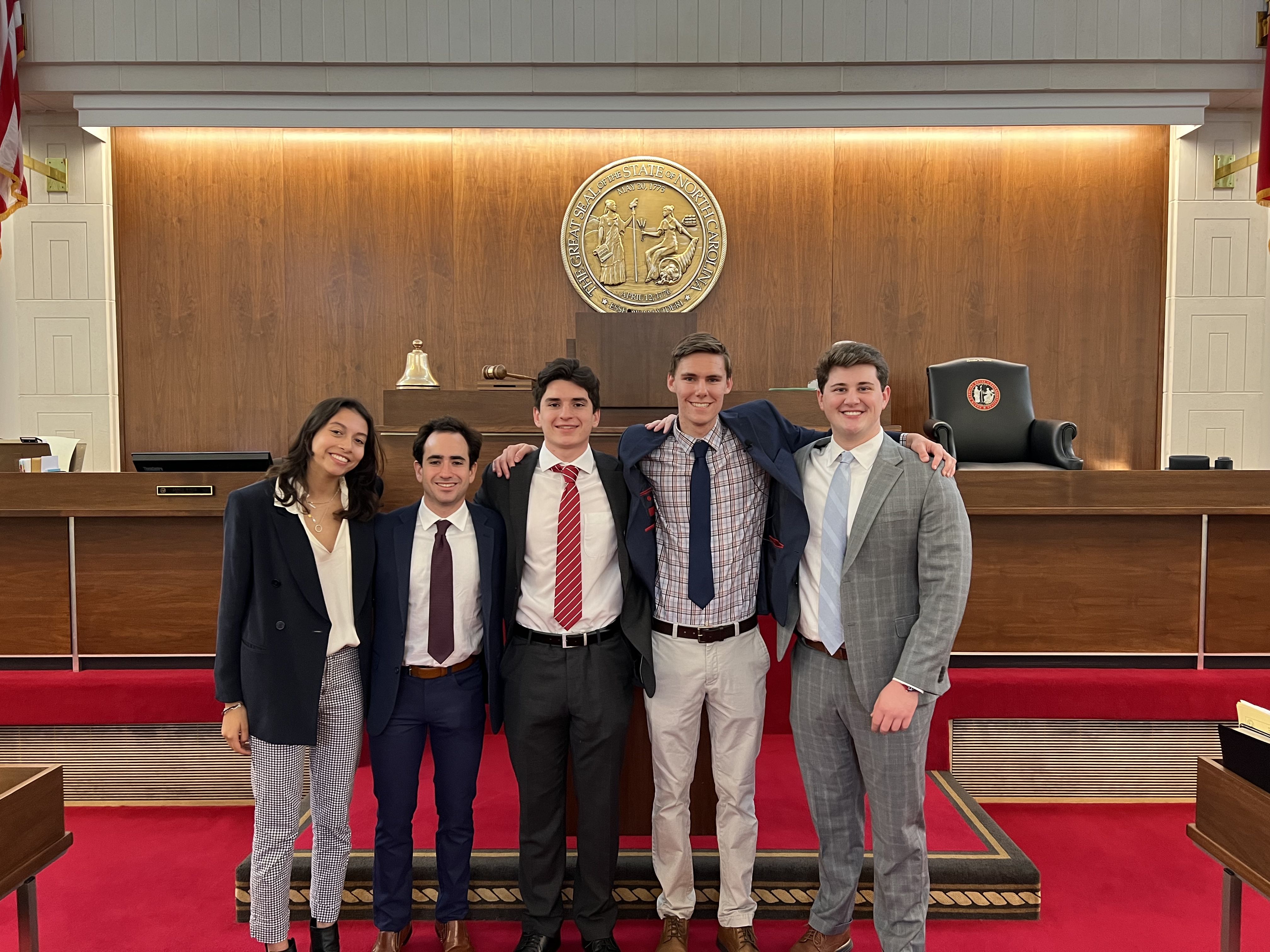
A: We start by listening. Each chapter begins with real conversations about what students on that campus care about, tied to our broader American Dream platform. Then we invest in training: workshops, advocacy skills, and clear tools like briefs, talking points, and defined roles. As far as engagement goes, that all comes from action—calling offices, hosting town halls, organizing lobby days, writing op-eds, and meeting legislators. Quality comes from culture: treating students as partners, giving them responsibility, and setting clear expectations for professionalism and follow-through.
Q: When you say you’ve mobilized 20,000 students, what does that mean?
A: “Mobilized” means a student takes a real step from simply caring to actually participating in civic action that reaches decision makers. It starts with meeting YPA on campus, then joining a structure (meetings, workshops, training, and campaigns) so they build confidence and skills.
Next, they take direct action by calling offices, joining lobby days, meeting legislators and staff, and helping bring decision makers to campus for town halls. After that first action, we focus on follow-through via op-eds, media work, voter organizing, and bringing others into the work.
Q: How do you keep YPA nonpartisan while still mobilizing political action?
A: We focus on practical issues young people consistently care about, like housing affordability, career pathways, and community. We hear these priorities directly in listening sessions, and they shape our American Dream platform: affordability, opportunity, and community. Our goal is pragmatic, solutions-oriented civic engagement, not partisan conflict.
Q: Building something this fast comes with trade-offs. What’s been the toughest challenge and how did you handle it?
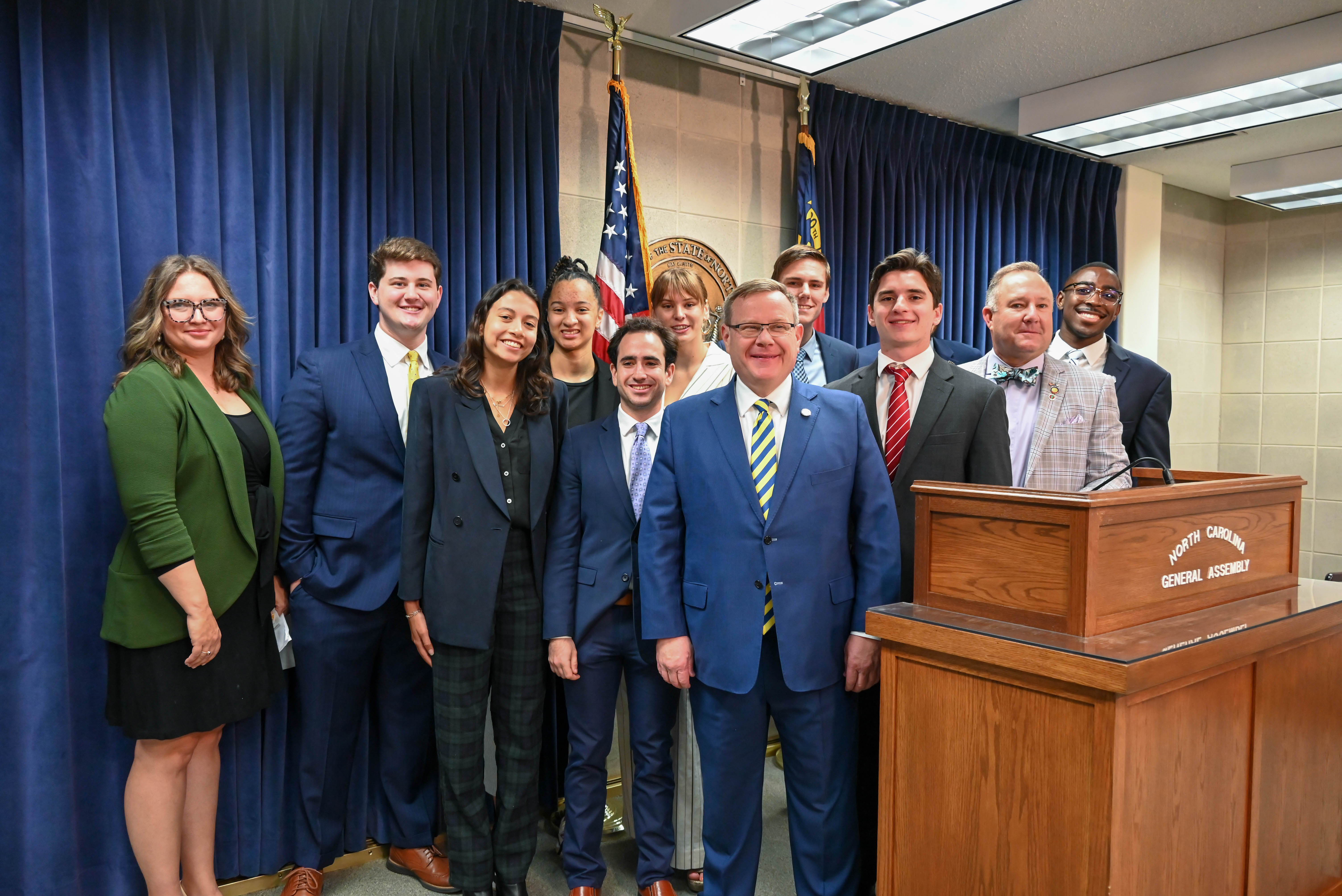
A: The toughest challenge has been staying focused while growing quickly. We’ve had to learn fundraising, manage a growing team, and prioritize issues without spreading too thin. Fundraising is largely relationship-building and takes time. Internally, growth has meant learning to communicate clearly, setting expectations, and supporting leaders across campuses. Over time, we’ve become more disciplined about prioritizing and sequencing our work.
Q: Looking ahead, what does success look like for you over the next 12 to 18 months, and what would you need from supporters to get there?
A: Success means measurable impact—passing legislation connected to our American Dream platform and showing students their advocacy leads to real change. We also want to grow and strengthen our campus network and build broader support for our American Dream Declaration. Support that helps us the most includes partnerships to expand chapters, introductions to funding opportunities, and mentorship from others who’ve built organizations and careers.
Q: Forbes 30 Under 30 isn't a small feat. How did you feel when you learned your hard work was being recognized?
A: It felt exciting and a little surreal. We’ve been working for more than five years without much recognition, so it meant a lot for our whole team and the students we work with. It felt less like a finish line and more like encouragement to keep going.
Q: What's one action a student can take this week that will make a difference in their civic landscape, and why does it matter?
A: Find an issue you care about, talk to a friend about it, and take five minutes to call your local or state legislator to ask what they’re working on. Calls are one of the most effective ways to be heard because offices track them, and even a small number can signal that constituents are paying attention. Policy is often made without young people in the room. When students speak up, they remind decision-makers they’re paying attention—and those small actions add up over time.
Brother Tobin’s story is a reminder that influence doesn’t often start with a spotlight; it starts with consistency. Whether talking about leadership within the Fraternity, building systems to hold people accountable, or the power of making a phone call, the point stays the same: young people don’t have to wait to be taken seriously. They can stand out by showing up, learning the process, and doing the work that turns conviction into results.