



Behind the Badge | Trey Busch
By Greg Rush
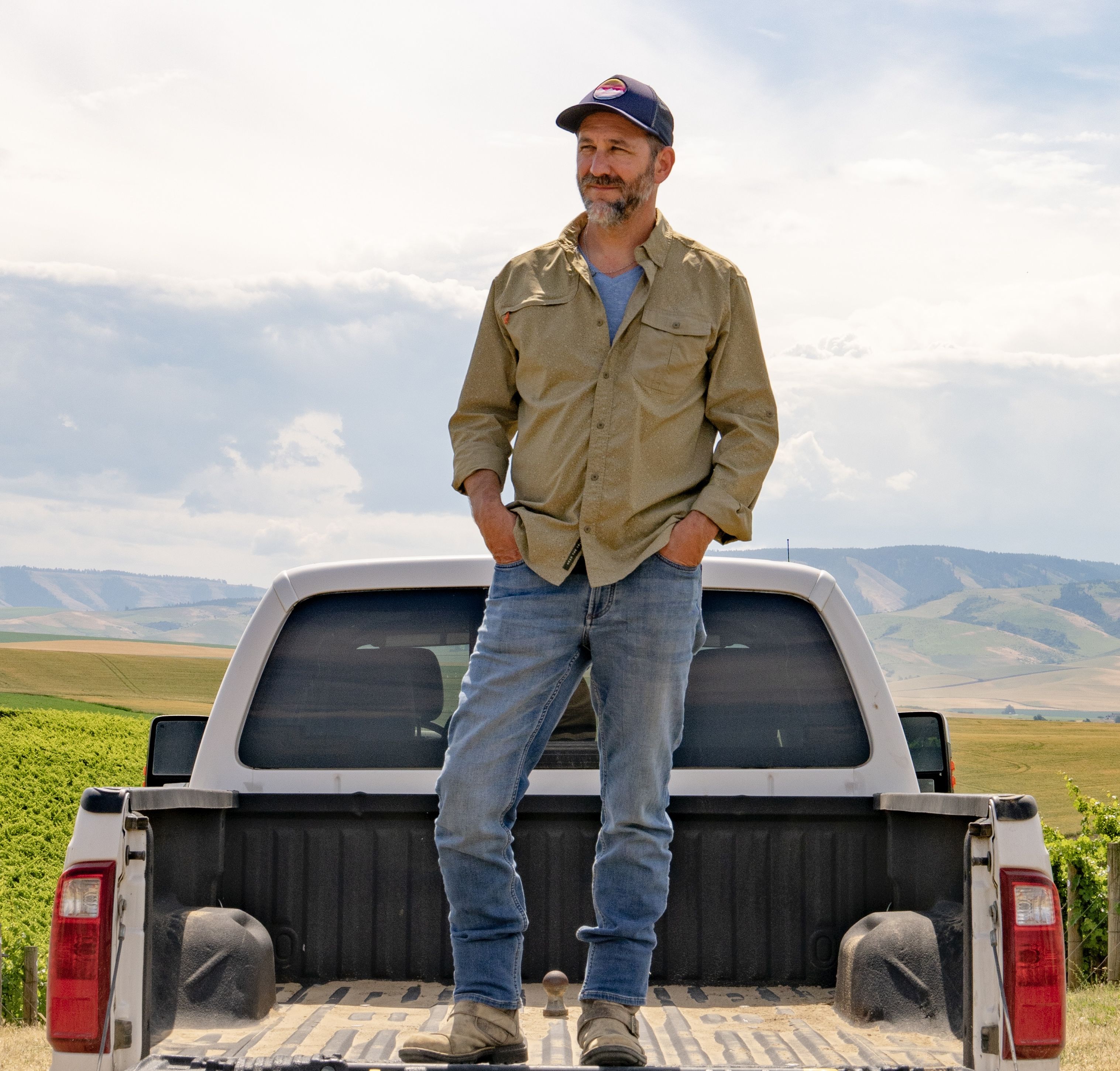
Trey Busch (Delta Beta/Georgia 1994) has built a life around two things: community and craft. A Navy veteran, former Nordstrom buyer, and now the co-founder/winemaker behind Sleight of Hand Cellars in Walla Walla, WA, Trey’s path wasn’t a straight line—it was a series of bold moves powered by relationships, lessons learned, and a deep love of music that found its way into his brand. In this Behind the Badge Q&A, Trey reflects on legacy, leadership, and what true friendship looks like when life gets real.
Q: As a Georgia alumnus, what was the best lesson you learned in Athens?
A: Socializing with your brothers on Sunday nights may have an impact on class attendance on Mondays. ☺
Q: What attracted you to Theta Chi at Georgia, and what did brotherhood look like for you back then?
A: My father, Ted Busch (1971), is also Delta Beta from the late ‘60s/early ‘70s, and I grew up in and around the chapter house as a baby. I remember going back to Athens growing up and spending Saturday mornings before the game at the house, so when I knew that I was going to UGA, I knew I was going to be a Theta Chi, no questions asked. As far as we knew, I was the first Delta Beta Chapter father-son legacy in Athens, and I still remember my father being at my Pledging Ceremony. It was a pretty awesome moment for us both. My dad was the chapter’s Alumni Corporation President for years and has always been involved in some way, shape, or form with the Fraternity.
Q: When you think about being a Resolute Man, what does that mean in your life today?
A: Admittedly, I wasn’t the best student at UGA, so my experience as a Resolute Man was more about camaraderie and making lifelong friends, as well as the meaning of someone having your back.
Q: Tell us more about the professional journey: Was it one big leap or a series of smaller decisions?
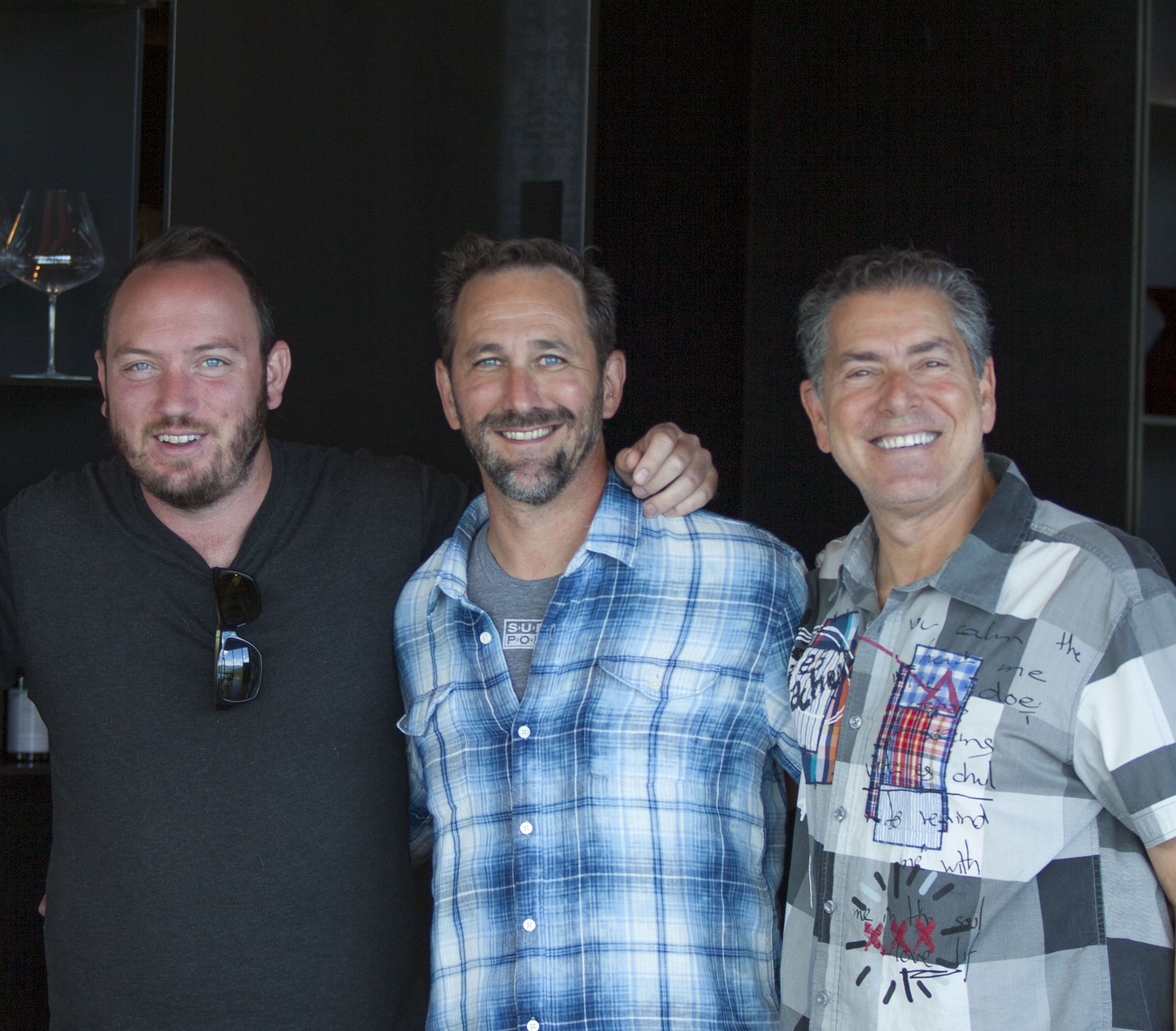
A: Interestingly, the decision that changed my life forever was joining the Navy out of high school. That was my first real introduction to what brotherhood meant, what a “team” felt like, and taking pride in my accomplishments while I was in the service.
I was stationed near Seattle, which was my introduction to the Pacific Northwest. When I got out of the service, I moved back home to Georgia to attend UGA. Joining Theta Chi was a continuation of that brotherhood I felt while I was in the service, which is what attracted me to being in a fraternity in the first place. The pull of Seattle was too much for me, and I ended up moving back to the Seattle-area in 1992, where I worked for Nordstrom for eight years and eventually became a buyer and merchandise manager for the company. That all changed when I moved my family to Walla Walla, WA, to learn how to make wine at a small winery called Dunham Cellars. Eric Dunham was a friend and fellow Navy vet who gave me an opportunity that I could not pass up. I had a daughter at the time who was just about two years old when we moved to Walla Walla. I now have three beautiful girls, 14, 20, and 27, and my wife, Holly, and I are so grateful to live in such a beautiful place.
Q: Why Walla Walla specifically? What did you see in that region that made it special?
A: Walla Walla is a historic, beautiful, tiny town tucked away in southeastern Washington State, with about 35,000 people. It has amazing geology and picturesque landscapes with the Blue Mountains to our east and the Columbia River to our west. We grow some of the best grapes anywhere in the U.S. up here, from cabernet and merlot to syrah, sauvignon blanc, chardonnay, and others. I am also a photographer, so I am blessed to live in such a beautiful place. We have an incredible local hospitality industry that has grown up with the wineries, so we have James Beard-nominated chefs, first-class hotels and vacation rentals, a gorgeous historic downtown, and so much more. We’ve been named as the prettiest downtown in America, Best New Wine Region in America, and have received plenty of other accolades. We also have three colleges in our tiny town, so we have a youthful spirit.
Q: Take us back to the beginning of Sleight of Hand Cellars. What was the original vision, and what did you have to learn the hard way in year one?
A: I learned to make wine at Dunham Cellars and was hired two years later to start a new winery called Basel Cellars, where I worked for five years. I made all the mistakes during those five years, so when I launched my own winery with my friend and business partner, Jerry Solomon, I knew what NOT to do! (laughs.) We had a very clear vision for our winery and brand and stuck to that as we slowly grew. I had developed a great reputation in Walla Walla with the wines I made at Basel Cellars, so launching Sleight of Hand was made a bit easier because I was a known entity by that time. Our goal from the outset was to make the best wines in Washington State while having the most fun legally possible. We still adhere to that philosophy today, even though our footprint is much larger. We now have three tasting rooms in Walla Walla, Seattle, and Woodinville, and make about 8,000 cases of wine total. My love of music plays a large part in our marketing as well. We have over 3,000 albums in our tasting rooms, a vinyl club for our wine club members, a small record store in our Walla Walla location, and a concert venue.
Q: The name “Sleight of Hand” is memorable—what’s the story behind it, and what do you want it to signal about your approach to winemaking and hospitality?
A: I am a huge Pearl Jam fan, and the winery was named after one of my favorite Pearl Jam songs. In fact, I saw Pearl Jam for the first time with half a dozen brothers at Legion Field in Athens in April 1992. I left Athens shortly after to move to Seattle, where the music scene was exploding. Music really is my first love, and that is why it is so ingrained into our brand. Since then, I’ve partnered with Pearl Jam on many projects and have 88 shows under my belt to date!
Q: The wine and spirits industry is equal parts craft, science, and storytelling. Where do you personally sit in that triangle, and how do you translate that into the experience customers have with your brand?
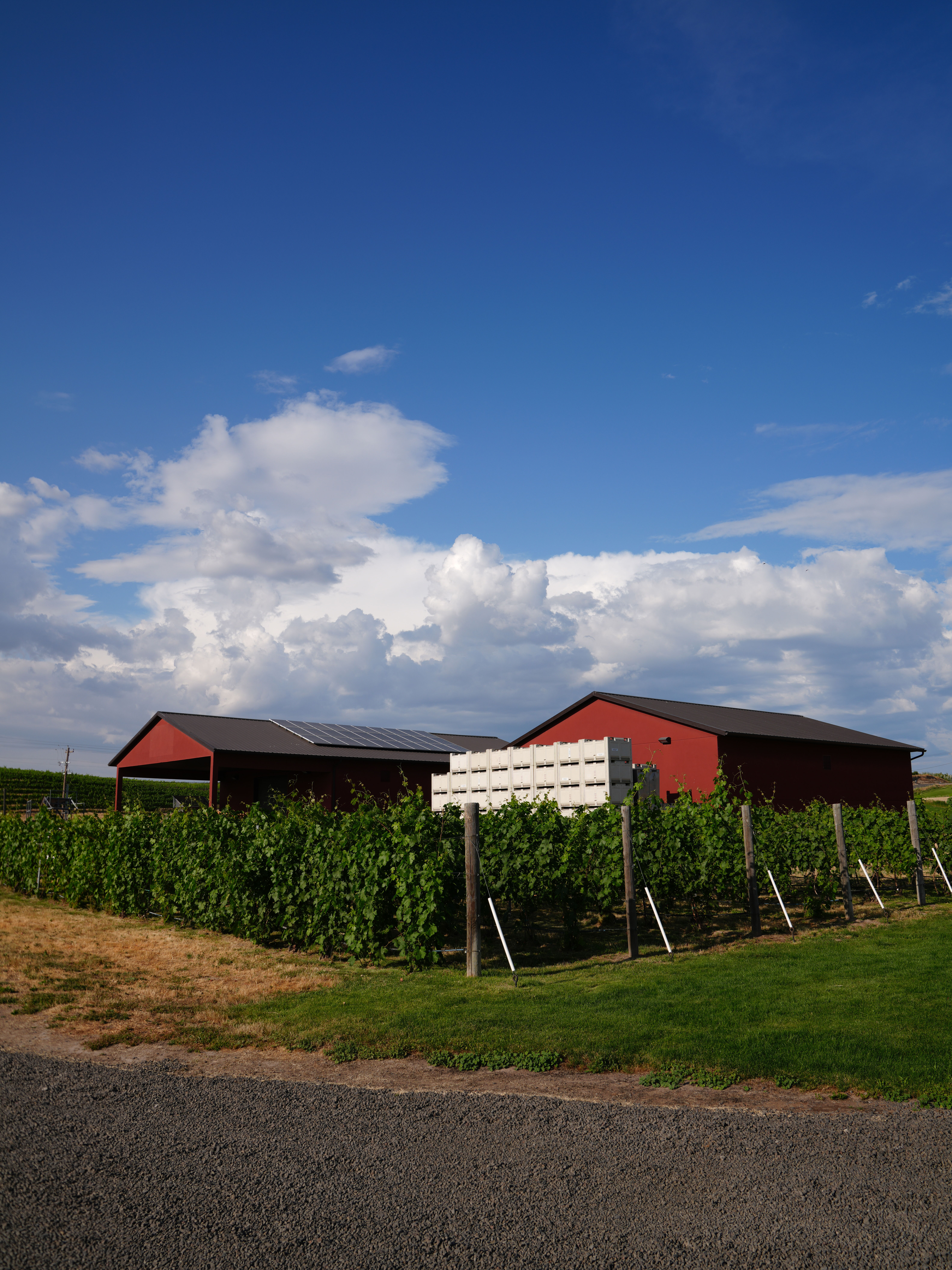
A: I think of it as art and science with a heavy dose of storytelling, and I lean heavily on the artistic side of winemaking. The story is your product. Every winery has a story to tell, and they can tell that with their labels and branding, and of course, with the experience you get in the tasting room. But not everyone can visit you in the tasting room to get that whole experience. For me, our story is about our vineyards, and not about our winemaking. We are fairly minimal-intervention winemakers at SOFH. We don’t want to interfere too much with our grapes, because we work with some amazing sites and vineyard managers. If we are all doing our jobs correctly, then the grapes that we pick have the most interesting story to tell. We make sure they get through fermentation with as little intervention on our part as possible. We allow native fermentations to take over, and don’t use a lot of winemaking “tricks” that are out there. We love making our rhône varietals like syrah and grenache with a lot of stems, so we foot crush most of them. We don’t use an excessive amount of new oak on any of our wines because oak can mask the flavors of the fruit. Our wines are more elegant than they are “showy”. And they are all built to age for a long time, even our whites.
Q: What was the biggest entrepreneurial risk you think you’ve taken on this journey?
A: Definitely leaving my last “job” at Basel Cellars to launch SOFH, but while at Sleight of Hand, it was probably expanding production and opening multiple tasting rooms in order to meet the demand.
Q: How do you define leadership in a small business where culture is everything? Are there any non-negotiables you hire for and build around?
A: I learned so much at Nordstrom, a company that prides itself on delivering world-class customer service along with selling great products. That is no different for me at SOFH, and my team as well, so if you are not prepared to go above and beyond for everyone that walks in our doors, don’t bother applying for a job at SOFH. We have created a culture that is so unlike what a traditional wine tasting experience is at most wineries. The first thing my team will have you do is ask you to pick out an album to listen to, so you are first and foremost, relaxed and having a great time listening to the music you want to listen to, while we casually pour you wines and tell you a bit about what makes our wines so special. Hopefully, you are joining our awesome wine club before you leave!
Q: What’s something people misunderstand about the wine industry (or about running a winery) that you wish more folks knew?
A: First, it takes a lot of beer to make great wine. Second, not all wineries are owned by wealthy tech bros. Our business is a family business, no different than having a family-run restaurant or auto body shop. It’s hard work; it takes a lot of different skills to succeed: from marketing to organizational leadership to the art and science of making wine. Making wine is the easiest part of this business, if I am being honest. Finding a market for your product in a VERY crowded field is NOT easy.
Q: For a younger Theta Chi who’s dreaming about delving into entrepreneurship, what advice would you give?
A: Socializing with your brothers on Sunday nights may have an impact on class attendance on Mondays. ☺
Brother Busch’s story is a reminder that living a resolute life isn’t about not changing course; it’s about knowing what you’re building toward and bringing your passion and people with you along the way. Whether referring to service, starting over in a new place, or creating an experience where customers feel like regulars on their first visit, the continuous thread is clear: show up, take pride in your work, and take care of the folks around you. It’s not sleight of hand magic. It’s being resolute.