



[Assistant Editor's Note: The following article contains excerpts about Lee Iacocca (Beta Sigma/Lehigh 1945) and Hal Sperlich (Alpha Gamma/Michigan 1951). It originally appeared on Motortrend.]
Meet the Theta Chi Visionaries Behind Two Iconic Cars
No, America didn't invent the automobile. That honor goes to German engineer Karl Benz and his Patent Motorwagen of 1886. But America quickly made the automobile its own. By 1904 the United States led the world in automobile sales and production, and by 1913, some 80 percent of all the cars made in the world were made here in the U.S. American automakers—there were 253 of them active in 1908 alone—were pioneering new technologies and new vehicles at an astonishing rate.
You can define greatness is many ways, but these are all automobiles that were hugely influential in terms of their technology, design, engineering, and their impact on society and popular culture here and around the world. These are the machines that fundamentally changed how we moved. There are other cars that are perhaps equally deserving of inclusion on this list. So, as we celebrate the Fourth of July, why not celebrate the 10 greatest American cars of all time? Let the arguments begin! If you think we've missed an all-time great, let us know.
Chrysler Minivan
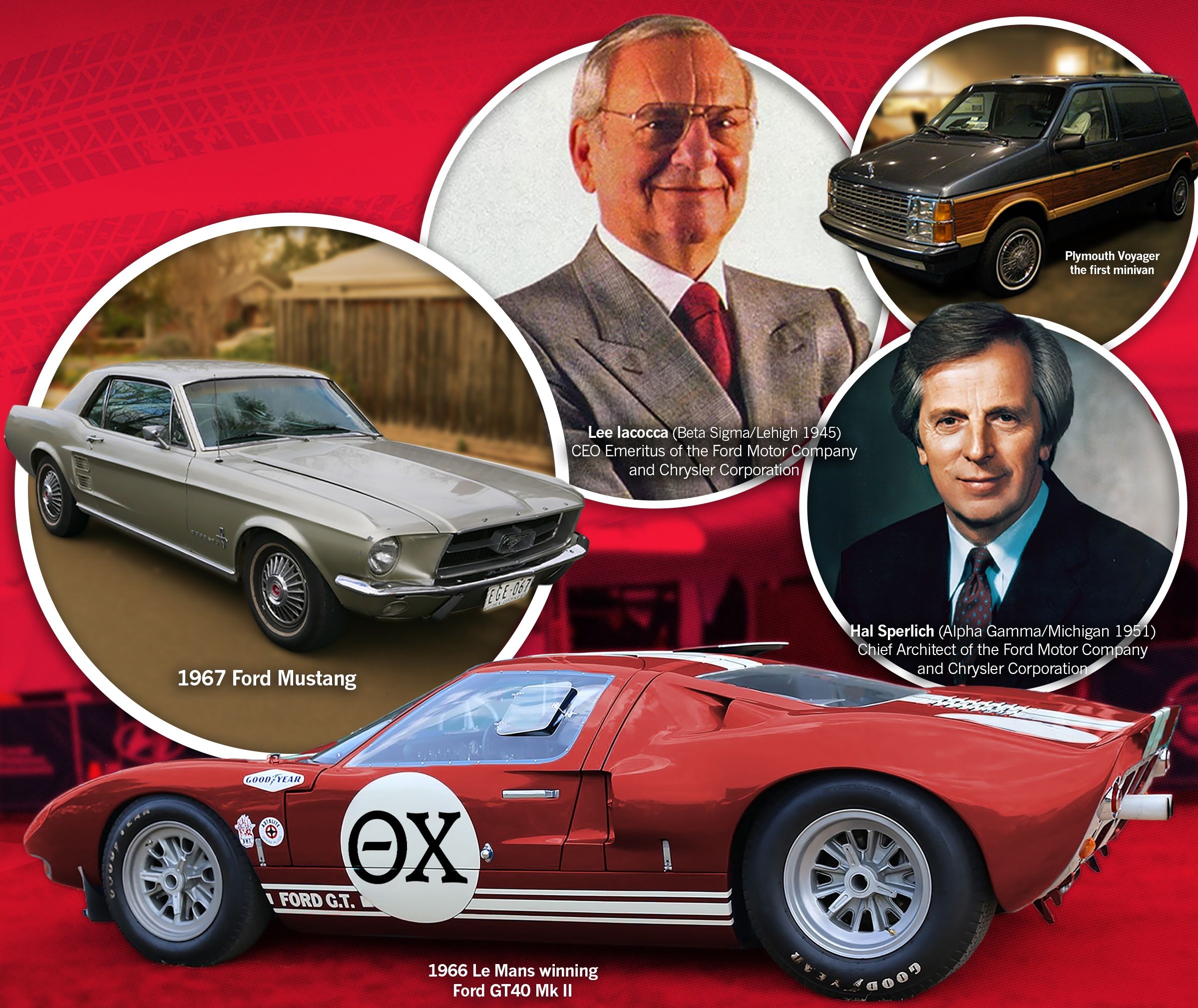
Others had toyed with the concept, notably VW's Microbus of the '60s and Lancia's 1978 Megagamma, but it was Lee Iacocca and Hal Sperlich—the same team who'd made the Mustang happen at Ford 20 years earlier—who at Chrysler in 1983 revealed the perfect combination of size, seating, and drivability that came to define a new segment-busting family vehicle, the minivan. Within a decade almost every mainstream automaker offered a minivan in the U.S., making traditional station wagons obsolete. The segment has declined in recent years, but the basic formula established by Chrysler remains the definitive one: front drive, sliding side doors, and a highly flexible seating package for seven or eight passengers.
Ford Mustang
The Ford Mustang not only created a new automotive genre—the ponycar—but was also one of the first cars designed for a specific demographic. When Ford's Lee Iacocca realized the first wave of baby boomers were coming of driving age, and that they would want to drive something very different from the big, soft land yachts their parents loved, product planner Hal Sperlich proposed wrapping mundane Falcon mechanicals in sporty sheetmetal. The Mustang proved an overnight sensation, with more than 1 million sold in the first 18 months of production. But performance that truly matched the style wasn't really unlocked until the Shelby GT350 appeared in 1965, establishing the formula that has kept the Mustang alive for more than 50 years.
Read the full article here.